

The Recipe for Excellence at Matcha Botanicals
The journey of our Matcha Botanicals matcha begins long before it reaches your cup. It is rooted in meticulous cultivation and centuries-old techniques. The exceptional quality of matcha depends on several key factors:
- Soil Quality: The quality of matcha is also influenced by the soil in which it grows. Our tea plants benefit from Kyoto’s exceptional, nutrient-rich soil, optimising both the flavour and nutritional value of the tea.
- Shade-Grown Brilliance: Our matcha begins its journey with tea plants that are carefully protected from direct sunlight. This method, known as shade growing, encourages the development of tender, chlorophyll-rich leaves filled with flavour and nutrients.
- The Perfect Harvest: The finest matcha, commonly referred to as ceremonial grade, is made from the youngest and most tender leaves. At Matcha Botanicals, we harvest exclusively in early May during the first and highest-quality harvest of the year.
- Stone-Ground Perfection: The selected leaves are slowly ground into a fine powder using traditional stone mills. This process preserves their flavour and aroma while ensuring a silky-smooth texture.
- Origin Matters: The flavour profile of matcha is influenced by the region in which it is grown. Our matcha comes from renowned Japanese regions such as Uji and Yame, celebrated for their distinctive climates and soil conditions.
Recognising Quality
Here is how to identify high-quality matcha:
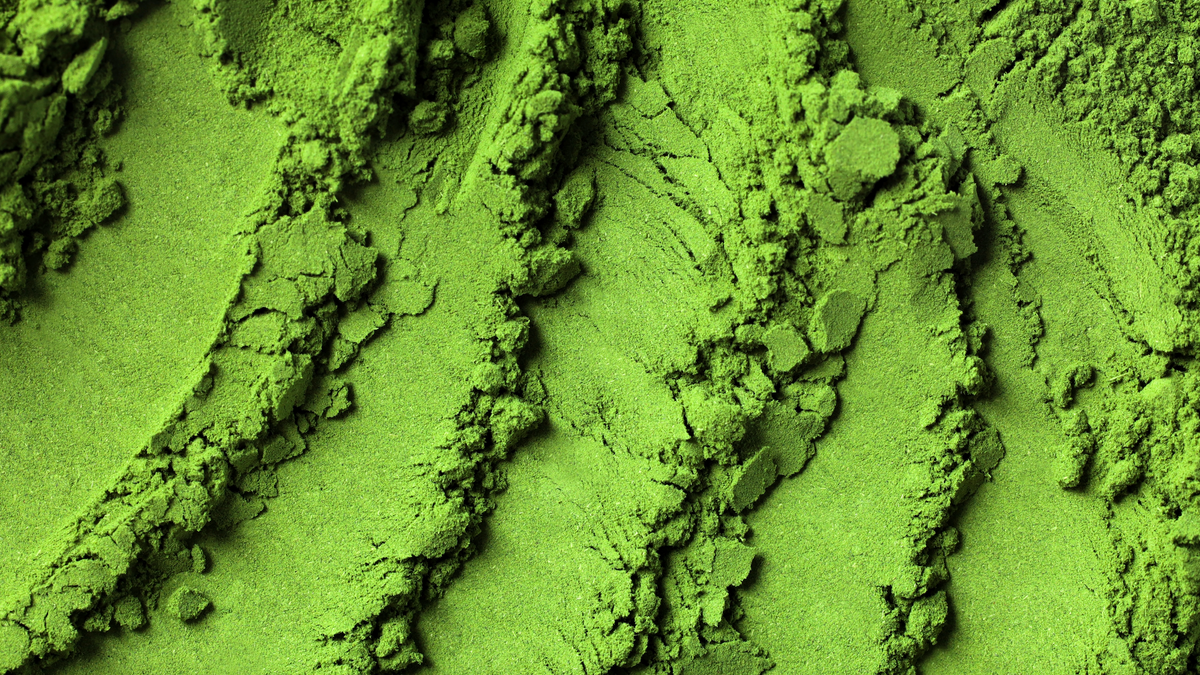
- Exceptional Colour: A vibrant emerald-green colour indicates high-quality matcha and is a sign of freshness and a high chlorophyll content.
- A Delightful Aroma: Exceptional matcha has a fresh, grassy aroma. Avoid matcha that smells rancid or musty.
- A Silky Texture: Premium-quality matcha feels fine and velvety to the touch, promising a smooth and luxurious drinking experience.
Understanding the Different Grades
Matcha is available in different grades, each suited to particular tastes and uses:
-
Ceremonial Grade (Good to know: all our matcha varieties are ceremonial grade!):
- Traditionally used in Japanese tea ceremonies and distinguished by its vibrant green colour and delicate flavour.
-
Premium Grade:
- Also produced from high-quality leaves, although they are usually slightly more mature than those used for ceremonial-grade matcha. It is ideal for everyday enjoyment.
-
Culinary Grade:
- Made from more mature leaves and especially well suited to cooking and baking.
How Should You Store Your Matcha?
Storage Tips:
- An Airtight Container: Store your matcha in an airtight container to protect it from oxidation.
- A Cool, Dark Place: Keep your matcha away from direct light and heat to preserve its freshness.
- Refrigeration: Keeping matcha refrigerated can extend its shelf life, especially in warmer climates.
- Minimal Exposure: Open the container only when necessary to minimise exposure to air and moisture.
Conclusion: Get Ready, Whisk and Enjoy!
Now that you know what makes exceptional matcha, it is time to start exploring. Whether you are preparing a calming ceremonial bowl or adding a creative matcha twist to your cooking, every sip celebrates matcha’s rich heritage and incomparable quality. Here’s to matcha at its finest!
Organic or Not? The Unrivalled Quality of Matcha Botanicals